September 21, 2026
Packaged Terminal Air Conditioner (PTAC) systems play an indispensable role in maintaining climate control across commercial properties, hospitality facilities, and residential spaces. Determining the optimal frequency for applying maintenance treatments is essential for preserving air quality, maximizing thermal efficiency, and extending system longevity. Regular upkeep helps facility managers prevent emergency breakdowns while keeping monthly utility expenses under control. Continuous operation leads to dust accumulation, coil fouling, and performance degradation. Establishing a consistent cleaning schedule ensures systems operate reliably throughout every season.
When mechanical components remain free of dust and grease, airflow remains steady, and stress on vital parts decreases. Effective maintenance routines require an understanding of system mechanics, operating environments, and sanitation protocols. Utilizing specialized PTAC cleaners on a predictable timeline shields delicate coil fins, blower wheels, and drainage networks from wear. Maintaining these units systematically protects capital investments, enhances occupant health, and ensures compliance with indoor air quality standards.
Understanding System Mechanics and Evaluating Equipment Components
PTAC units operate as self-contained, through-the-wall systems delivering targeted climate control to single rooms. The core assembly consists of a compressor, outdoor condenser coil, indoor evaporator coil, expansion valve, fan motor, and washable filter. The compressor circulates refrigerant through the sealed loop, facilitating heat absorption or rejection. The evaporator coil absorbs heat from room air, while the condenser coil expels heat outside. The air filter traps airborne particulate matter, protecting core mechanisms from premature wear.
When dust and debris accumulate on coil surfaces, thermal transfer efficiency declines, forcing longer operating cycles. Restricted airflow across the evaporator coil frequently leads to coil icing, compressor overheating, and system failure. Utilizing PTAC cleaners formulated for HVAC heat exchangers dissolves buildup, lifts grime, and restores thermal transfer rates across coil fins. Clean coils allow operating pressures to remain balanced, reducing wear on motor bearings and preventing foul odors.
Consistent care yields substantial economic and operational advantages for commercial lodging, healthcare, and residential properties. Systems subject to routine sanitation consume less electrical power, maintain precise temperatures, and exhibit lower failure rates during peak demand. Maintaining clean internal airways improves indoor air quality by filtering out dust, allergens, and contaminants. Implementing a structured preventative maintenance plan safeguards infrastructure and extends equipment life expectancies.
Analyzing Environmental Factors and Determining Service Frequencies
The ideal schedule for using PTAC cleaners varies based on operating intensity, location, air quality, and occupancy patterns. Units in high-traffic commercial environments accumulate dust much faster than those in low-occupancy residential spaces. Properties located near construction zones, industrial manufacturing districts, or coastal environments experience accelerated dirt accumulation. Tailoring service schedules to match site conditions prevents heavy accumulation before performance drops.
Recognizing early indicators of contamination enables facility managers to address issues before severe mechanical damage occurs. Primary warning signs include reduced air throw, inconsistent temperatures, elevated noise, and musty odors from the discharge grille. According to Rotobrush, regular duct cleaning can lower commercial energy bills by up to 20% by improving system efficiency. Paying attention to operational signs ensures timely intervention and sustained energy savings.
Always align cleaning protocols and chemical selections with manufacturer specifications to prevent component damage or warranty invalidation. Official documentation outlines approved chemical formulations, washing water pressures, and disassembly sequences. Adhering to these guidelines protects sensitive control boards, aluminum fins, synthetic rubber seals, and internal insulation materials.
Establishing Structured Schedules and Executing Preventative Care
A comprehensive PTAC maintenance strategy combines simple monthly checks with periodic deep cleaning sessions. Monthly tasks focus on inspecting, washing, or replacing intake filters, wiping external grilles, and verifying supply louvers. Clean air filters permit unrestricted airflow, preventing pressure imbalances that strain fan motors and freeze evaporator coils. Incorporating chemical treatments into quarterly or semi-annual service windows removes stubborn grease and biological films.
Semi-annual deep cleaning requires pulling the chassis from its wall sleeve or removing cabinet panels to wash heat exchangers, flush condensate pans, and inspect electrical connections. Chemical sanitation during these service intervals eliminates organic growth and heavy soil deposits deep inside the chassis. Establishing a detailed maintenance log helps service personnel track unit health, spot recurring issues, and schedule proactive repairs.
Annual professional inspections complement routine internal maintenance by incorporating specialized diagnostic procedures. Certified HVAC technicians evaluate refrigerant operating pressures, measure compressor amperage draw, test safety switches, inspect fan motor bearings, and verify thermostat accuracy. Combining routine filter management with yearly professional servicing guarantees complete protection and optimal performance. This integrated approach extends equipment lifespan, lowers utility bills, and maintains climate control.
Selecting Effective Cleaning Compounds and Utilizing Proper Equipment
Selecting appropriate cleaning compounds and mechanical tools is critical for executing safe, effective PTAC maintenance. Alkaline, non-acidic foaming coil formulations dissolve oil deposits, dust, smoke film, and biological residue without attacking aluminum fins or copper tubing. Soft-bristled fin brushes, fin straightening combs, and specialized HVAC vacuums remove debris without bending heat transfer surfaces. Electrostatic air filters provide an additional layer of filtration defense, capturing finer airborne particulates.
When choosing between self-performed maintenance and commercial service contracts, property managers must evaluate staff technical capacity, labor availability, and equipment access. In-house teams can easily handle routine filter washing and light surface coil cleaning using standard spray kits and approved PTAC cleaners. However, large commercial facilities often rely on professional service teams equipped with high-pressure washers, containment bags, and industrial-grade cleaning solutions. Selecting proper tools minimizes downtime while preventing water damage to interior furnishings.
Maximizing long-term cost-effectiveness relies heavily on selecting premium cleaning supplies designed for HVAC heat exchangers. Harsh acidic chemicals or unapproved detergents can strip protective coil coatings, corrode cabinet walls, degrade plastic drain pans, and cause pinhole leaks in refrigerant lines. Self-rinsing, non-corrosive foaming solutions deliver exceptional cleaning power while saving labor time. Investing in quality tools ensures thorough sanitation, protects structural integrity, and preserves operating efficiency.
Implementing Step-by-Step Cleaning Protocols and Testing Procedures
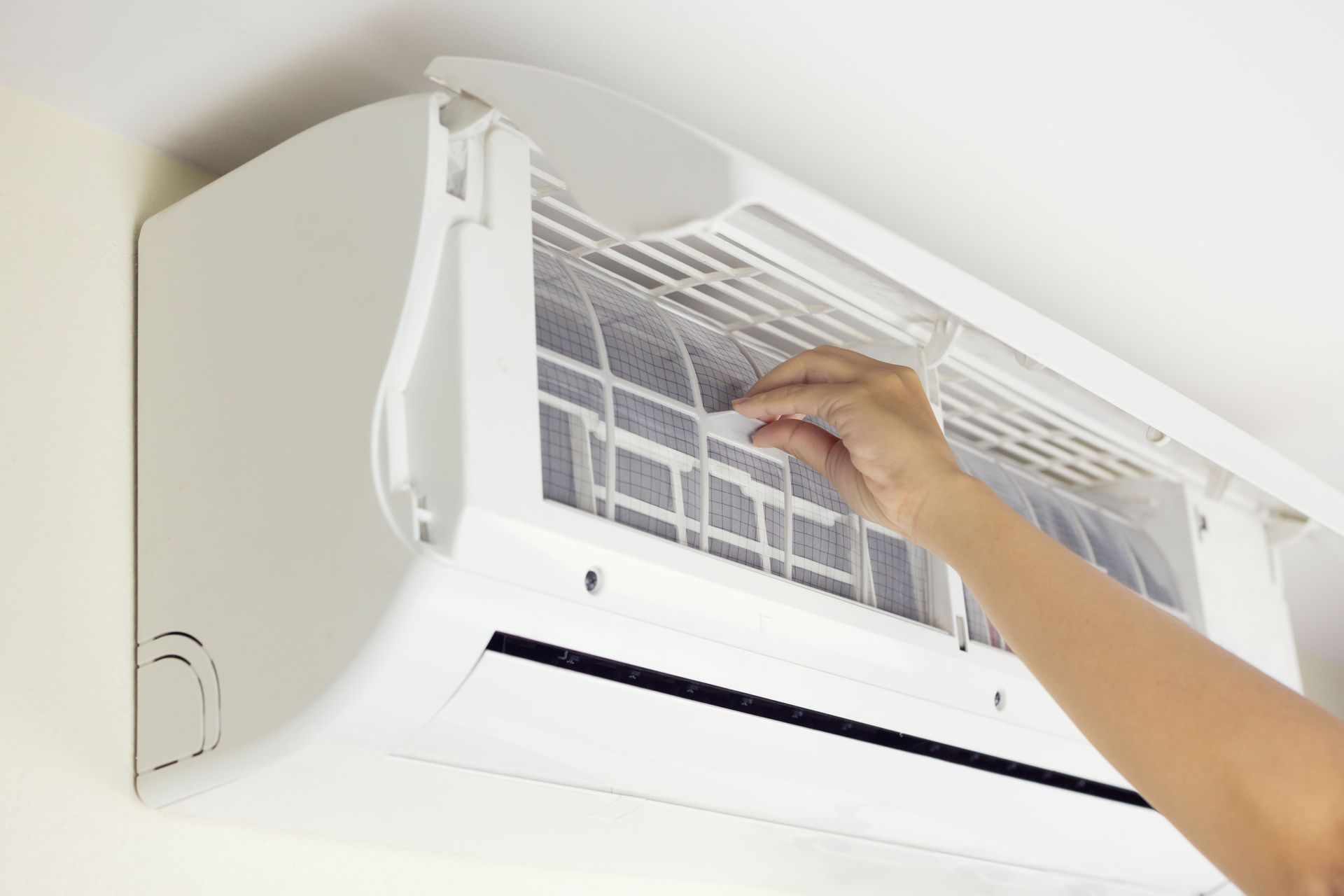
Before initiating any physical cleaning procedure, technicians must disconnect electrical power at the main circuit breaker panel to eliminate shock hazards. Once power is isolated, remove the front cabinet cover to access the internal chassis, control box, and filter housing. Extract the washable air filter, cleanse it thoroughly under warm water using mild liquid detergent, and allow it to dry completely before reinstallation. Inspect the interior cabinet for loose debris, standing condensate water, or visible microbial growth.
Apply specialized foaming PTAC cleaners directly onto evaporator and condenser coils, ensuring complete coverage across all fin surfaces. Allow expanding chemical foam to penetrate deep into coil fins for several minutes to break down embedded soil, grease, and biological material. Gently brush the coil face in parallel alignment with the aluminum fins using a soft brush, then flush with low-pressure water or allow self-rinsing formulas to carry suspended soil into the drain pan. Confirm that rinse water flows freely without obstruction.
Sanitize internal supply air ducts, discharge grilles, and blower wheel blades using targeted disinfectant sprays to eliminate bacteria, mold spores, and odors. Reassemble the unit carefully after confirming that all components and electrical connections are dry, then restore power and initiate an operational test cycle. Verify steady temperature drop in cooling mode, proper heating performance, quiet fan rotation, and unobstructed airflow. Following a systematic cleaning process ensures peak operating efficiency, lowers utility costs, and promotes healthy indoor air quality. For more information about the services that we offer, reach out to our incredible team at Kelley's PTAC & HVAC Cleaning today!