July 27, 2026
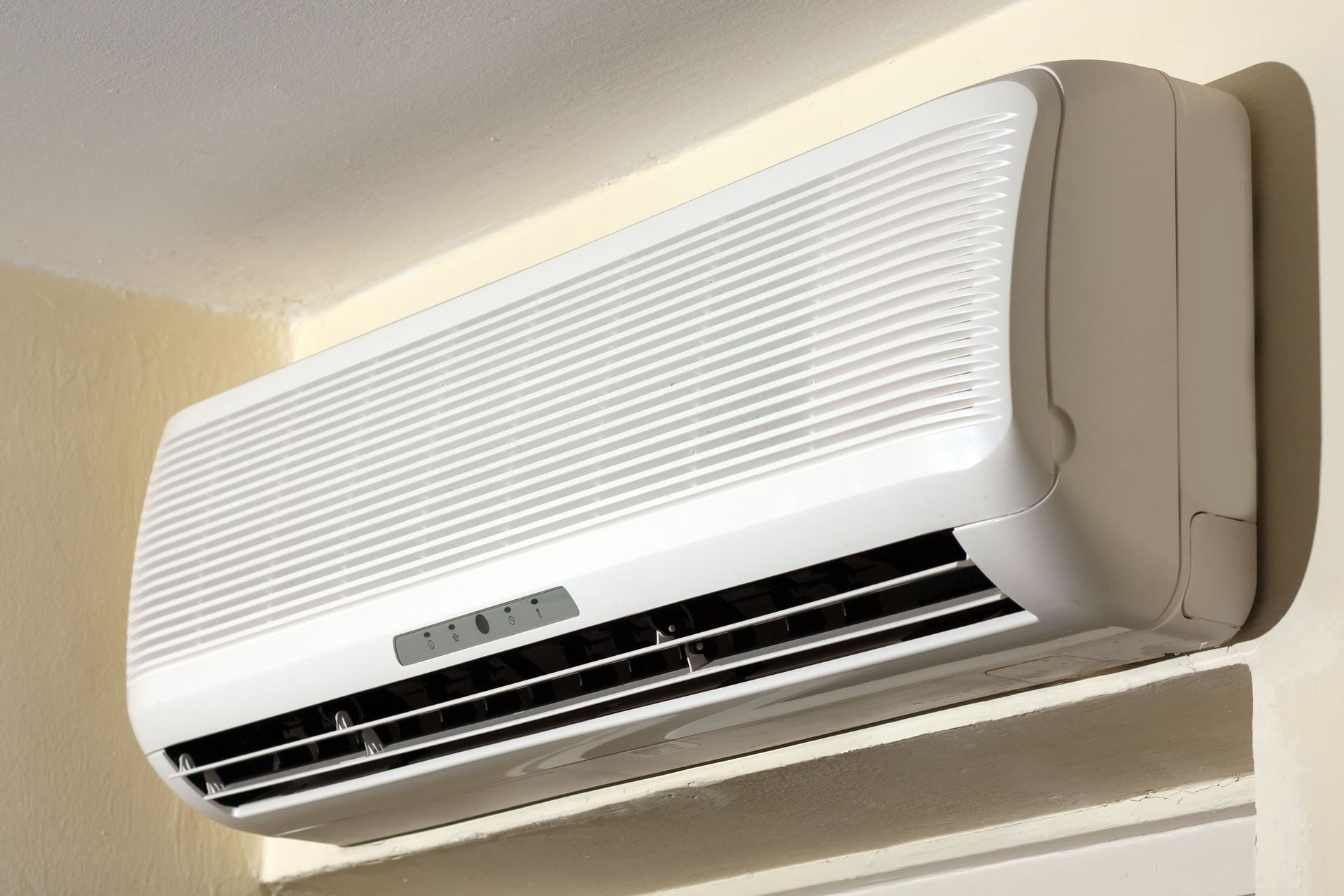
Commercial facilities face growing pressure to manage rising utility costs while maintaining comfortable, healthy spaces for employees, guests, and tenants. Heating and cooling systems represent a major portion of overall power consumption in modern properties, making unit efficiency a top priority for facility managers. Investing in a professional commercial PTAC cleaning service provides a direct pathway to lower electricity bills, better system performance, and a healthier indoor environment.
Analyzing Commercial Energy Use Trends in Modern Facilities
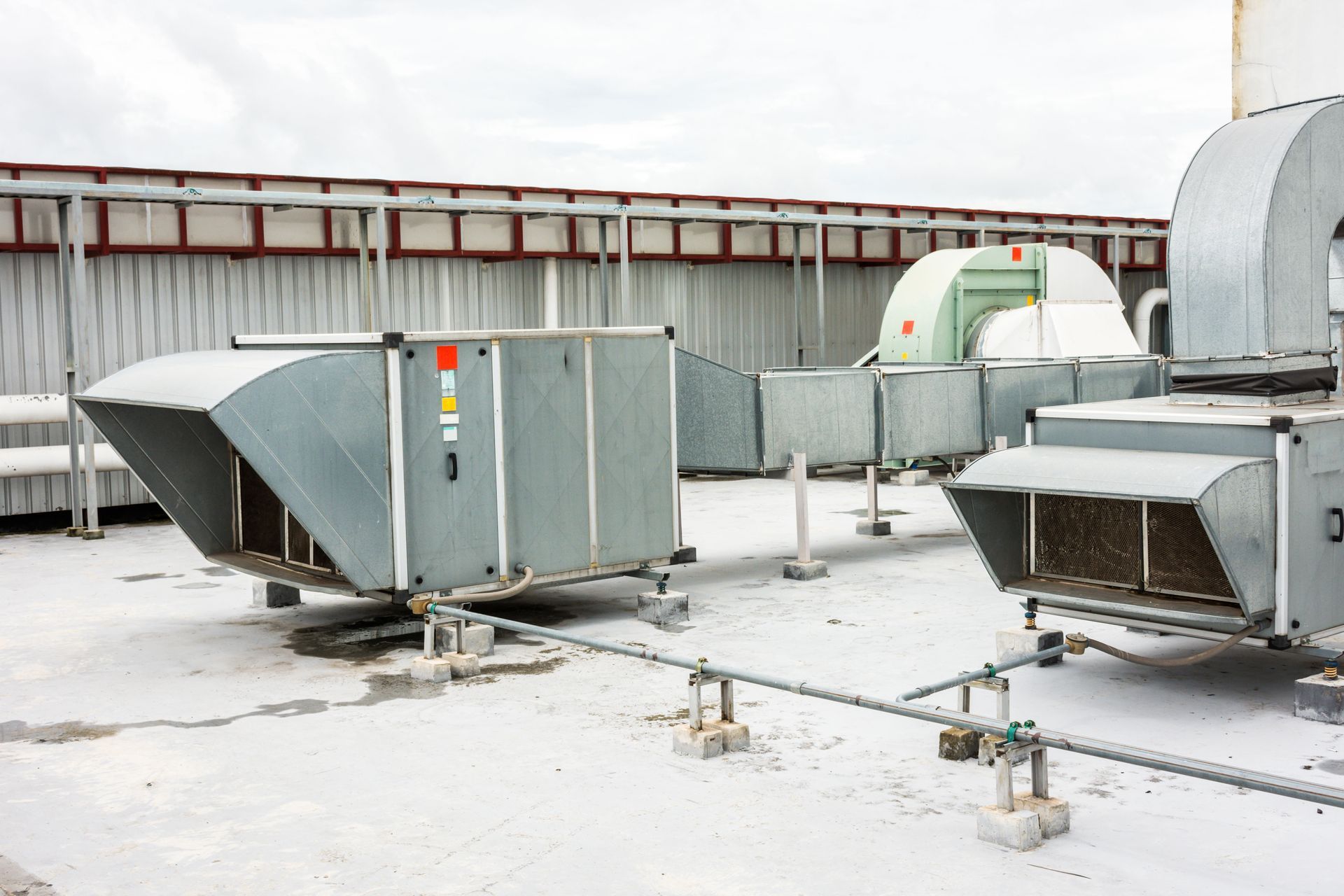
Commercial building management has shifted dramatically toward energy conservation and cost control in recent years. Facilities across all sectors, including lodging, healthcare, office complexes, and multi-family housing, actively search for practical ways to trim monthly utility expenses without compromising occupant comfort. Power grids face heavier demands, utility rates continue to climb, and climate control remains one of the largest operational expenses for any commercial property footprint.
According to Envigilance, U.S. commercial buildings spent over $241 billion on energy in 2024. A significant share of this vast expenditure goes directly toward heating, ventilation, and air conditioning equipment. Individual climate control systems, such as packaged terminal air conditioners and vertical terminal air conditioners, operate almost continuously throughout the year to regulate indoor temperatures. When these units accumulate dust, lint, pet dander, and organic debris over time, their internal motors and compressors must work significantly harder to maintain set thermostat levels. This additional mechanical strain leads directly to noticeable spikes in electrical consumption that drag down a building's overall operating budget. Scheduling a routine commercial PTAC cleaning service helps property owners counteract these escalating energy trends by ensuring every individual unit operates at peak thermal efficiency and draws minimal electrical current.
Recognizing the Impact of Dirty HVAC Systems on Utility Bills
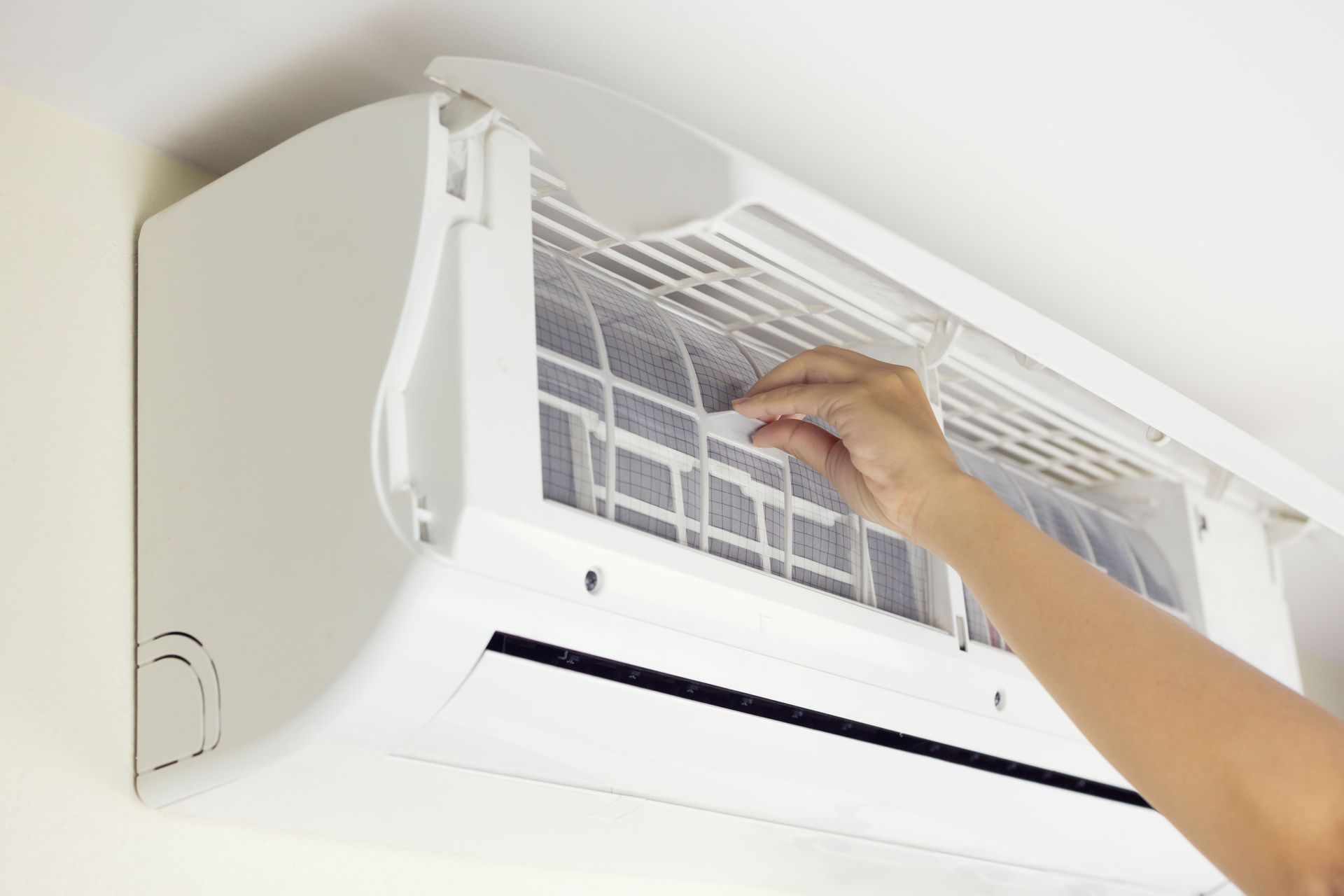
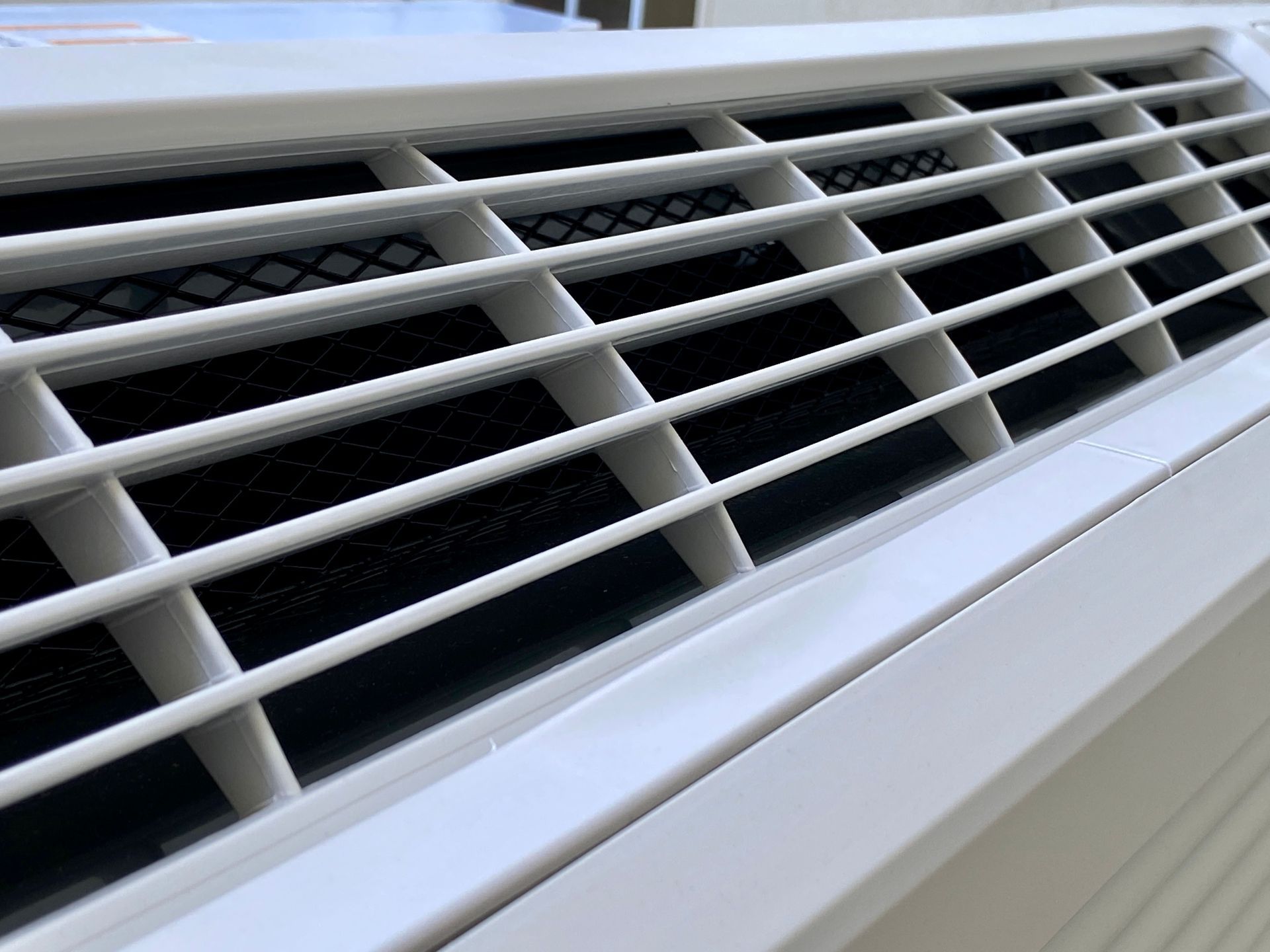
Understanding how a neglected cooling and heating unit wastes electricity begins with the basic mechanics of heat transfer. Packaged terminal units rely on clean evaporator coils, condenser coils, and fresh filters to pull heat out of indoor air and exhaust it outside. Over time, air circulating through commercial spaces carries dust, hair, oil residues, and outdoor particulates directly into the interior cabinet of the unit. These contaminants settle deep within the aluminum fins and copper tubing, creating a thick insulating layer of grime across the entire coil assembly.
This dense layer of buildup restricts airflow and acts as a thermal barrier, preventing efficient heat exchange between the coils and the surrounding air. As a direct result, the unit must run longer cooling or heating cycles to reach the desired temperature setting in the room. The system draws higher electrical current, putting continuous strain on the internal compressor and fan motor. Across a commercial property with dozens or hundreds of individual rooms, clogged units can drive up monthly power bills by substantial percentages while increasing the likelihood of sudden mechanical breakdowns. Partnering with an experienced commercial PTAC cleaning service removes this insulating layer of dirt, restoring natural airflow and allowing internal components to transfer heat with minimal energy expenditure.
Evaluating the Financial Benefits of Routine PTAC Maintenance
Property managers often view facility maintenance as an unavoidable operating expense, but proactive unit care actually serves as an effective financial strategy for long-term savings. When individual climate control units operate cleanly, energy savings accumulate immediately across your entire property footprint. Lower kilowatt-hour consumption translates directly into smaller monthly power bills, creating predictable financial savings that quickly offset routine maintenance investments.
Beyond immediate energy reductions, routine maintenance prevents costly emergency repairs and premature capital replacement. When dirty coils force a compressor to run hot and continuously, internal electrical parts and mechanical bearings wear out long before their expected service lifespan. Replacing an entire wall unit or swapping out major internal motor assemblies represents a heavy financial burden for any operational budget. Scheduled maintenance protects internal hardware, extending the functional operating life of your cooling and heating equipment by several years. Scheduling a reliable commercial PTAC cleaning service offers a cost-effective method to preserve valuable capital assets, optimize operational budgets, and maintain consistent indoor comfort for everyone who uses your facility. Facility directors can reallocate saved energy dollars toward other property improvements, turning a routine maintenance task into an ongoing source of operational value.
Improving Indoor Air Quality Through In-Room Deep Cleaning
Energy efficiency represents only half of the value equation when evaluating wall unit maintenance. Indoor air quality plays an equally vital role in occupant health, tenant satisfaction, and overall facility reputation. Because packaged terminal units recirculate air within individual rooms, any mold spores, dust, or unpleasant odors lingering inside the unit cabinet are continuously blown back into the living or working space.
Moisture collecting in the condensate drain pan provides an ideal environment for microbial growth, which can generate musty smells and trigger respiratory discomfort for occupants. Traditional cleaning methods that rely on removing units from the wall and transporting them outside often cause accidental damage to drywall, flooring, and delicate internal components during transit. Modern in-room cleaning methods eliminate these logistical headaches while thoroughly sanitizing every internal component. Technicians use specialized containment systems directly inside the room to flush out accumulated debris, sanitize drain pans, and clear coil surfaces without disturbing surrounding furniture or decor. Relying on a specialized commercial PTAC cleaning service guarantees that your guest rooms, offices, or residential units remain fresh, clean, and healthy for every occupant who steps through the door.
Maximizing Equipment Lifespan with Advanced Truck-Mounted Technology
The specific equipment and cleaning solutions used during the maintenance process directly dictate the quality and longevity of the final results. Generic pressure washers or harsh chemical cleaners can easily bend delicate coil fins, corrode internal metal surfaces, or leave toxic chemical fumes in the indoor air stream. High-quality care requires specialized tools engineered specifically for delicate heat exchanger coils and compact HVAC cabinet architecture.
Advanced truck-mounted cleaning systems deliver controlled water pressure and high-water volume to flush away embedded dirt from deep within the unit coils. This powerful equipment removes years of packed grime without risking mechanical damage to sensitive internal components or electrical wiring connections. Furthermore, using environmentally safe, manufacturer-recommended cleaning products ensures that coil metals remain protected from corrosion while thoroughly breaking down stubborn oils, grease, and organic matter. This combination of heavy-duty truck-mounted power and eco-friendly cleaning formulas restores full factory airflow, protects equipment integrity, and ensures that units run at maximum efficiency season after season. Utilizing a professional commercial PTAC cleaning service equips your facility with state-of-the-art cleaning technology that protects your long-term mechanical investments and maintains equipment warranties.
Selecting the Right Partner for Professional Facility Care
Selecting the right service partner is essential for maintaining smooth commercial operations and protecting your building infrastructure. Facility managers require specialized service providers who respect operational schedules, minimize unit downtime, and deliver consistent quality across every room in the building. In-room servicing capabilities for both PTAC and vertical terminal air conditioner (VTAC) models ensure that units can be deeply cleaned and quickly returned to service without disrupting daily business routines, guest stays, or resident activities.
Managing commercial energy trends requires proactive solutions that reduce power consumption while keeping occupants comfortable. Routine deep cleaning of your heating and cooling equipment lowers utility costs, improves indoor air quality, and extends the operational lifespan of your mechanical investments. Protect your building's bottom line and ensure superior indoor comfort by contacting Kelley's PTAC & HVAC Cleaning to schedule your professional service today.