November 24, 2026
Maintaining clean ventilation networks is essential for the health, safety, and operational performance of any commercial property. Over time, hidden supply and return passages collect dust, biological contaminants, and debris that compromise indoor air quality and strain mechanical equipment. Facility managers in hotels, corporate offices, medical clinics, and multi-story apartment complexes must watch for early warning indicators before minor buildup turns into widespread contamination, uncomfortable rooms, or sudden system failure during busy operating hours.
Recognizing when your ductwork needs attention protects building occupants, supports healthier indoor environments, and extends the lifespan of your heating and cooling assets across every floor. In this guide, we examine the primary warning signs that indicate your facility requires prompt commercial air duct cleaning services to maintain a clean, comfortable, and compliant indoor environment.
1. Detect Persistent Odors and Pollutants
Stale, musty, or unusual odors inside a commercial building often go unnoticed by staff members who spend every day on the premises. Yet lingering smells are a major indicator of hidden contamination inside your ventilation network. Damp dust, mildew, microbial growth, and trapped organic matter settle inside ductwork, air handlers, PTAC sleeves, and condensate pans, releasing unpleasant odors whenever fans cycle on. While building managers might treat these smells as minor nuisances, persistent odors signal that airborne pollutants are circulating through occupied rooms, lobbies, and shared hallways.
Prolonged exposure to contaminated indoor air can trigger headaches, dizziness, fatigue, and throat irritation among tenants, guests, and employees. Tracing where smells are strongest—such as restrooms, breakrooms, guest suites, or mechanical closets—helps technicians isolate affected duct runs and connected equipment during a thorough HVAC inspection and reporting visit. Scheduling commercial air duct cleaning services removes trapped contaminants at the source rather than masking smells with fragrances, pairing deep debris extraction with hospital-grade disinfection for lasting indoor freshness across every zone.
2. Notice Excessive Dust and Debris
A rapid buildup of dust on desks, shelving, window ledges, and supply grilles indicates that your ventilation network is struggling to contain particulate matter. Supply and return ducts distribute conditioned air across every zone, and heavy accumulation inside those passages restricts airflow while shedding debris back into occupied spaces. When fine dust bypasses standard filters and coats evaporator coils, blower wheels, and fan housings, mechanical components must work harder to move air, driving up wear on motors while creating constant housekeeping challenges for maintenance crews.
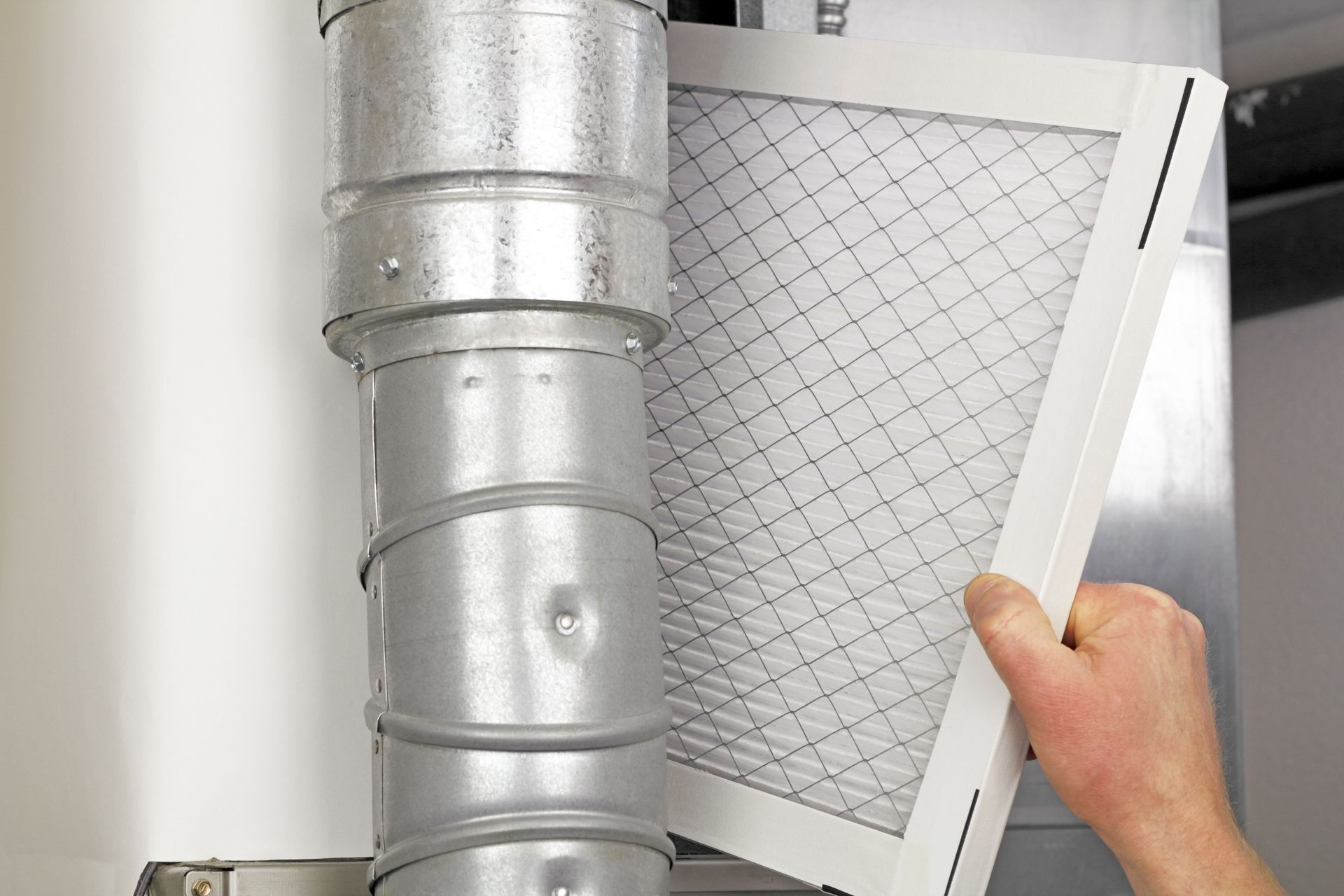
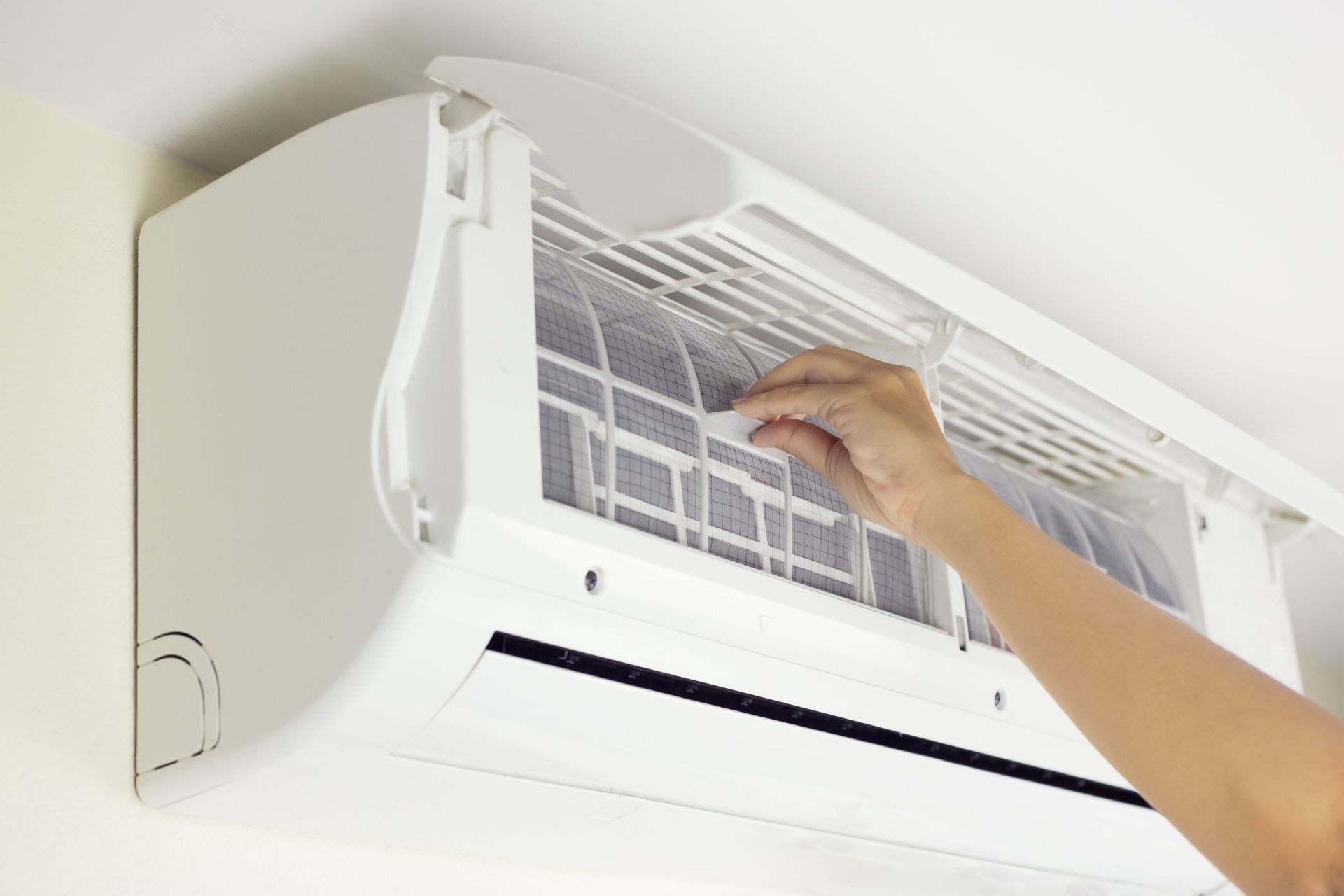
Restricted airflow affects every connected heating and cooling unit in a facility, including individual room systems in hospitality and residential buildings. According to The Furnace Outlet, a dirty PTAC filter can block up to 40% of normal airflow, which causes equipment to ice over and pull extra electrical power. Left unaddressed, choked ducts and clogged filters accelerate equipment breakdown and degrade indoor air quality. Professional commercial air duct cleaning services clear stubborn debris from ductwork, air handlers, and blower assemblies using green cleaning methods that restore clean circulation and protect mechanical performance.
3. Track Rising Allergies and Symptoms
An uptick in sneezing, coughing, sinus congestion, and eye irritation among building occupants often points to contaminated ductwork. Commercial ventilation channels trap pollen, dust mites, pet dander, and fine particulate matter, redistributing those irritants each time the heating or cooling cycle starts. Without routine HVAC inspection and preventative maintenance, indoor air can carry higher concentrations of allergens than outdoor air, undermining occupant comfort, guest satisfaction, and daily workplace productivity across offices, hotels, medical facilities, and multi-unit residences.
Facility records across offices, schools, and hospitality properties show that cleaner ventilation systems correlate with fewer respiratory complaints and improved occupant well-being. People living with asthma or seasonal sensitivities are the first to feel the effects of neglected ducts, dirty fan coils, and unwashed filters across shared workspaces and corridors. Investing in routine commercial air duct cleaning services eliminates accumulated allergens from ductwork, PTAC sleeves, and connected terminal units, creating healthier indoor spaces and cleaner breathing zones for guests, tenants, and staff throughout the entire year.
4. Spot Uneven Airflow and Temperatures
Noticeable temperature swings between rooms or floors indicate that your air distribution network is no longer delivering balanced airflow. One wing of an office building might feel stuffy and warm while adjacent suites remain chilly, forcing occupants to adjust thermostats or bring in portable fans. Thick layers of grime inside branch ducts, blocked return grilles, and fouled blower wheels choke off air volume and disrupt static pressure across the entire ventilation layout, leaving corner offices, conference rooms, and upper stories underserved.
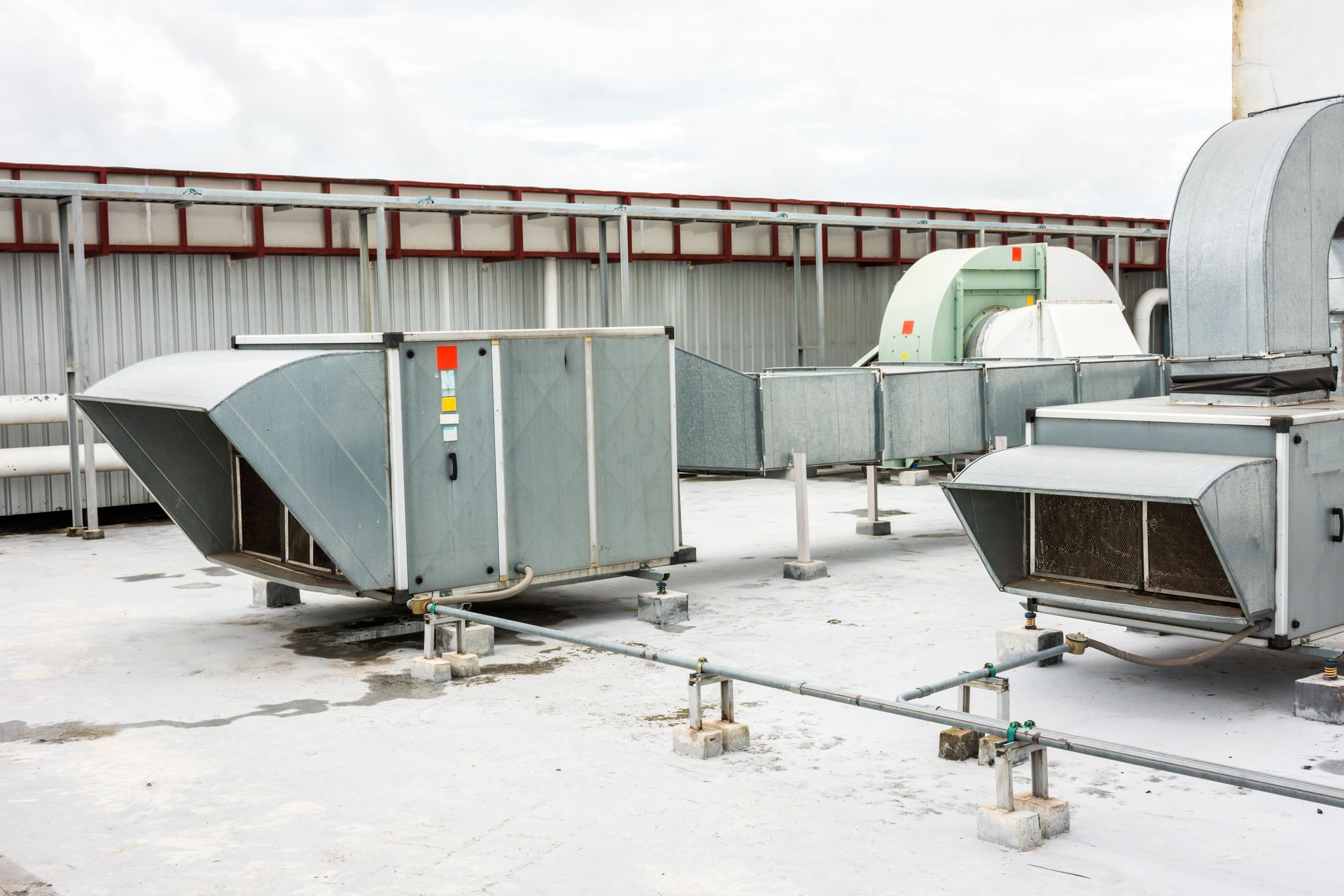
Uneven air delivery places heavy mechanical stress on air handlers, rooftop units, and water source heat pumps as equipment runs extended cycles to satisfy thermostat settings. That constant strain shortens component lifespan, wears down fan motors, and increases the risk of unexpected downtime during peak summer or winter weather. Thorough commercial air duct cleaning services remove internal obstructions from supply and return lines while pairing with coil and blower cleaning to restore consistent airflow and steady thermal comfort throughout every zone of the property.
5. Identify Visible Mold and Moisture
Visible mold growth around supply vents, duct interiors, or PTAC and VTAC closets demands immediate remediation. Dark ventilation passages combined with high humidity, condensation, or clogged drain lines create ideal conditions for fungal spores to colonize. Once established inside ductwork, unit surrounds, or condensate pans, mold releases microscopic spores into the airstream, spreading contamination across multiple rooms and floors every time the blower activates.
Exposure to airborne mold spores poses serious health risks, including respiratory distress, allergic reactions, skin irritation, and immune system strain. Effective remediation requires resolving moisture sources—such as flushing blocked condensate drain lines with pressurized water and drying damp surfaces—before sanitizing affected components. Specialized commercial air duct cleaning services utilize high-temperature water, non-acidic green cleaners, and hospital-grade disinfectants to eradicate mold colonies, prevent odor recurrence, and safeguard building occupants from hazardous airborne spores and indoor contaminants.
6. Observe Escalating Waste and Consumption
Unexplained spikes in monthly utility consumption often trace back to dirty ductwork and fouled heat exchange surfaces. When dust and grime coat duct walls, blower blades, and evaporator coils, air resistance rises and thermal transfer drops across the entire system. Heating and cooling equipment must run for extended periods to reach target indoor temperatures, wasting electricity or fuel without delivering better comfort across occupied rooms, lobbies, and common areas.
Facility managers who track utility trends can spot duct-related efficiency losses through longer equipment runtimes, overworked compressors, and sluggish temperature recovery during peak occupancy hours. Addressing internal buildup restores aerodynamic airflow and heat exchange efficiency across rooftop units, fan coils, and terminal air conditioners. Preventative commercial air duct cleaning services lower mechanical strain, curb energy waste, and help commercial properties maintain reliable, efficient building operations without unexpected mechanical interruptions.
Proactive ventilation maintenance prevents severe operational disruptions, protects mechanical assets, and supports occupant health across every commercial facility. By watching for persistent odors, heavy dust, allergy complaints, uneven airflow, visible mold, and rising utility consumption, facility leaders can act before minor contamination escalates into major system damage. Pairing routine commercial air duct cleaning services with thorough coil, blower, and PTAC or VTAC care keeps indoor spaces clean, safe, and efficient throughout every season.
Our experienced technicians use a green cleaning process, high-temperature water, and hospital-grade disinfectants to deliver thorough inspection reports and documented results for commercial properties. Contact Kelley's PTAC & HVAC Cleaning today so we can inspect your ventilation system, clean your equipment, and restore clean, reliable airflow across every floor and room in your building.